
This Time,
The Good Guys
Finish First.
It’s been said a small group of thoughtful, committed citizens can change the world.
In fact, it’s the only thing that ever has. Research has shown that even a fraction of the population — as little as 3.5% — can tip the balance toward real change.
The Good Fight Prize winner receives $50,000 and two semi-finalists receive $25,000 each for a campaign that inspires and enables people to put their weight on the side of workers. It celebrates the signs of strength, creativity, and commitment within the movement for decent work — in the past and present, for the future.
Movements aren’t about a single person or organization. They are about many individuals and groups working toward the same goals, like fairer laws and better working conditions. Campaigns generate hope and build awareness about issues and alternatives to the status quo. They get people involved and ready to take collective action that creates the resolve to actually change things. They make public participation possible in our community, work, and democratic life.
Campaign actions might look like:
- Holding meetings or workshops to learn and plan
- Writing letters to elected representatives and circulating petitions
- Reaching out to the media with group statements and positions
- Participating in public consultations
- Rallying people to speak up and let their views be known
Meet the Jury
The Good Fight Prize Jury is made up of five people who share a commitment to justice. They bring different perspectives, and practical experience with campaigns for decent work, to the task of choosing prize winners.
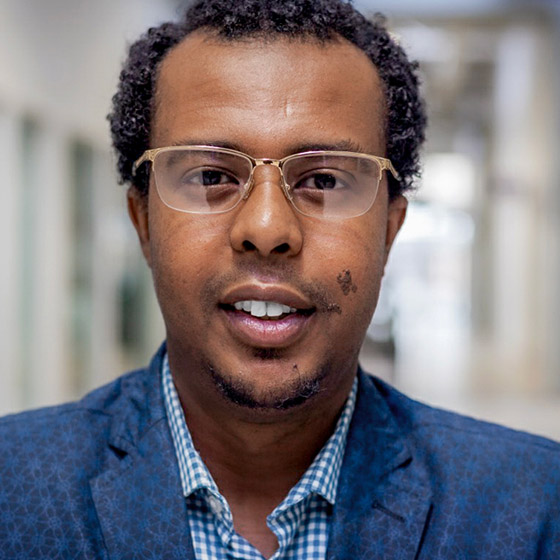
Kumsa Baker
Director, Toronto Community Benefits Network
Kumsa Baker
Director, Toronto Community Benefits Network
Kumsa Baker is the Director of Community Engagement and Campaigns at the Toronto Community Benefits Network (TCBN), the winner of the 2022 Good Fight Prize. Kumsa leads the design and execution of strategic initiatives to drive inclusive economic growth across the City of Toronto. He is also the Community Leader-in-Residence at the Institute for Inclusive Economies and Sustainable Livelihoods at University of Toronto Scarborough. Kumsa has over 15 years of experience in research, policy, and community planning.
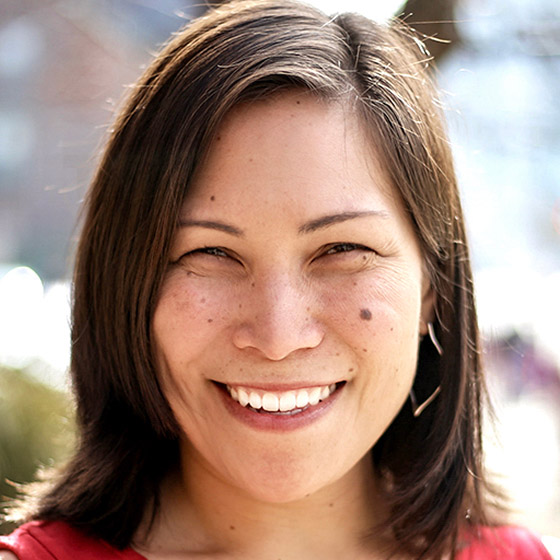
Wendy Chan
Chair, Atkinson Foundation Board of Directors
Wendy Chan
Chair, Atkinson Foundation Board of Directors
Wendy Chan is the Chair of the Atkinson Foundation Board of Directors. Wendy is also the Director, Feminist Grantmaking at the Canadian Women’s Foundation (CWF), where she leads the CWF’s grantmaking strategy to advance gender justice in Canada. Wendy’s professional and academic career has focused on research and programs promoting the rights and participation of children and youth, in Canada and internationally. She has worked in the not-for-profit sector for over 20 years, including at Children’s Aid Foundation of Canada and Plan International Canada.
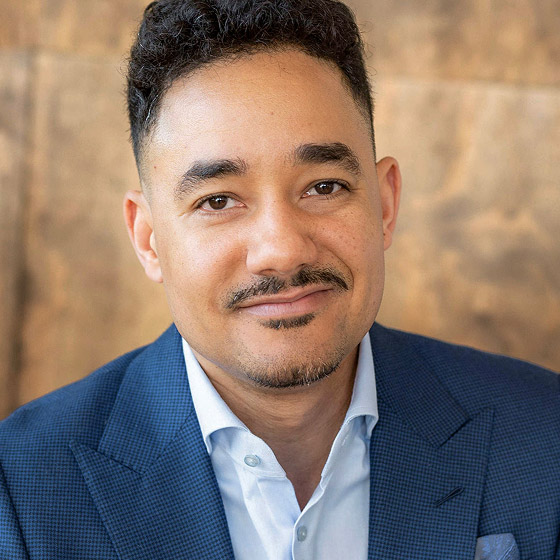
Kofi Hope
Co-Chief Executive Officer, Monumental
Kofi Hope
Co-Chief Executive Officer, Monumental
Kofi Hope is a Rhodes Scholar with a Doctorate in Politics from Oxford. He co-founded Monumental, a Toronto-based strategic advisory firm, and is an Urbanist in Residence at U of T’s School of Cities. A Senior Fellow at the Munk School, he has written extensively for Canadian media, including the Toronto Star. He serves on CAMH’s board and has volunteered widely. A Jane Jacobs Prize winner (2017) and Toronto Life Rising Star (2018), Kofi co-founded and led the CEE Centre for Young Black Professionals, Canada’s largest Black youth charity.
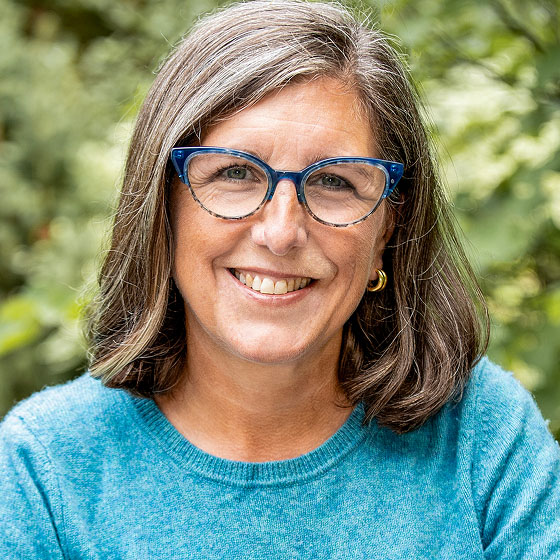
Colette Murphy
Chief Executive Officer, Atkinson Foundation
Colette Murphy
Chief Executive Officer, Atkinson Foundation
Colette Murphy is Atkinson’s Chief Executive Officer. Colette and her team focus on building movement power for decent work. For more than 20 years she has been a leading voice for social and economic justice in Canada’s philanthropic sector. Working alongside grassroots organizers and policy innovators, Colette advocates for decent work, inclusive economic growth, and related systemic changes. Since joining Atkinson she’s led groundbreaking initiatives related to the future of workers, community wealth building, and responsible investment.
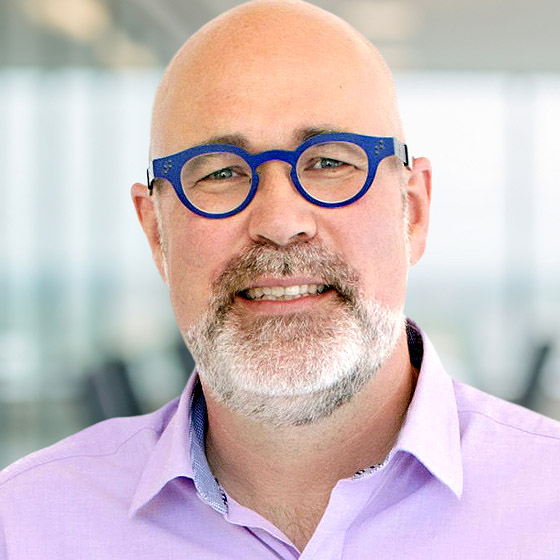
Mark Surman
President, Mozilla
Mark Surman
President, Mozilla
Mark Surman has spent three decades building a better internet, from the advent of the web to the rise of artificial intelligence. Mark is President of Mozilla, a nonprofit that works with companies and communities around the world to ensure the internet is built for people, not for profit. Mozilla’s double bottom line portfolio includes the public benefit companies that make Firefox, Thunderbird and open source AI developer tools; a venture fund that invests in double bottom line tech companies; and a global foundation which backs the work of artists, educators and builders. Mark works across this whole portfolio to ensure Mozilla’s people and resources are aimed at bending tech — and the tech industry — in a direction that serves all of humanity.
Meet the Atkinson Foundation
The hopeful, creative and collective pursuit of a good life for everyone is what Joseph Atkinson described as a “good fight”. He was the editor, and later, publisher and owner of the Toronto Star from 1899 to 1948.
Joseph and his wife Elmina Elliott were principled journalists, political activists, civic leaders, and life-long partners in the fight for justice. They were also faithful philanthropists. They established the Atkinson Foundation in 1942 to do this work when they no longer could.
Learn more about the Atkinson Foundation at our website.
“Further progress towards a solution of the problem awaits the prodding of public sentiment.”
Joseph E. Atkinson